
St. Charles Address History Sources
No register identifies every person who occupied one St. Charles property. Each source answers a different question. The Kane County Recorder establishes title, directories and census schedules describe households, permits date work, and newspapers or probate files may explain a move, death, or estate transfer.
| Source | Years It Covers | Where Held | What It Shows |
|---|---|---|---|
| Kane land records | Archive from 1837; imaging described from 1977 | Online LRS and Geneva research room | Title, legal description, buyer and seller |
| Ferslew directory | 1857 | Illinois Digital Archive | Name, work, home or boarding mark |
| Biographical directory | 1885 | Illinois Digital Archive | Biographies and census classes |
| Tri-City directories | 1910 onward reported; selected years confirmed | Local libraries | Name and address clues |
| Newspapers | 1842 to 1998 reported | Library archive | Obituaries and notices |
| Federal census | Released schedules through 1950 | Library, FamilySearch, NARA | Household members and relationships |
| City permits | Start year not stated | City ArcGIS and FOIA | Address, date, work and valuation |
A blank web result does not prove that no deed exists. An older book may not be imaged, or the document may use lot and block terms rather than a street address.
Start St. Charles Research With PIN
Search the present site address in Kane DevNet. Save the parcel identification number, or PIN, legal description, current owner, mailing address, property class, tax year, and sale history. The situs address is the physical site. It can differ from the place where the owner receives tax mail.
St. Charles spans Kane and DuPage counties. A postal label alone does not prove which county or municipality serves a parcel. City guidance says land inside St. Charles should show “ST CHARLES CITY” or “CITY OF ST CHARLES” among its taxing bodies. Resolve jurisdiction before using a county deed index.
Key point. A PIN and legal description survive name changes and old street wording better than a modern mailing label.
Reverse the Kane Deed Chain
The Kane Land Records Search accepts party names, document number, PIN, address, subdivision, dates, and legal land fields. Open the newest purchase deed. Record its number, date, grantor, grantee, consideration, legal description, PIN, and cited prior instrument. A grantor transfers an interest; a grantee receives it.
- Find the current deed by PIN, legal description, or current owner.
- Copy the grantor's exact indexed name and recording date.
- Search that seller as a grantee in an earlier date range.
- Repeat, preserving trust, estate, company, and co-owner roles.
- Use Recorder books or microfilm when the online chain ends.
This sequence is the chain of title. It tracks ownership, not all previous residents. A trust or company may own the land, and a recording date is not always the move date.
St. Charles Records Before Imaging
Kane records reach back to 1837, while the Recorder specifically describes computer and imaging access from 1977 forward. Older Original Tract and Grantor/Grantee books remain an office route. The Recorder office history notes six public computers in its research area.
The office is at 719 S Batavia Avenue, Building C, Geneva. Bring document numbers, exact names, rough dates, subdivision names, and lot or block details. Free index searching is distinct from charges for copies, plats, and certification. The 2025 cloud migration improved the system infrastructure but did not change the archive's historical limits.
Match St. Charles Directory Years
Directories place named people between deed dates. The 1857 Ferslew and 1885 Biographical volumes are digitized. The catalog confirms Tri-City issues for 1910–11, 1912–13, and 1943, while a broader run is reported from 1910 onward. Shelf gaps must be checked, not guessed.
Use the St. Charles directory book collection for complete holding notes. For one house, search the owner, spouse, and known adults in the year nearest a deed or permit. Then compare the printed location with the old street grid.
- Chain of title
- The linked series of recorded transfers for one parcel.
- Legal description
- Land wording based on lots, blocks, subdivisions, or survey calls.
- Criss-cross directory
- A directory arranged by address instead of surname.
- Enumeration district
- The area assigned to one census taker.
Pair Census With Previous Residents
A census can turn a title name into a household. It may show family ties, ages, birthplaces, work, and other people at the same place. Schedules are snapshots, so pair each one with a nearby directory year and a known deed range.
The process is: deed owner and date → directory entry → census district and household → next directory → newspaper or probate check. The library supplies genealogy databases with varied access. FamilySearch Affiliate images may open inside the library even when home access does not.
Allow for boarders, extended family, initials, and spelling variants. State what each record proves. One census does not establish continuous occupancy.
Old St. Charles Address Language
The 1857 directory uses “between,” “corner,” and forms such as bt, cor, h, and bds. An entry might place someone on Main between cross streets without a house number. Modern parcel forms cannot read that wording.
The Central district follows the original 1830s town. Moody-Millington reflects 1842 and 1846 additions, and the Millington Addition was annexed in 1842. Map the old phrase against that grid. No official citywide street-renumbering year was found, so one must not be assumed.
Library Clues for St. Charles Houses
The library local-history collection joins newspapers, maps, Sanborn resources, aerial views, and archive scans.
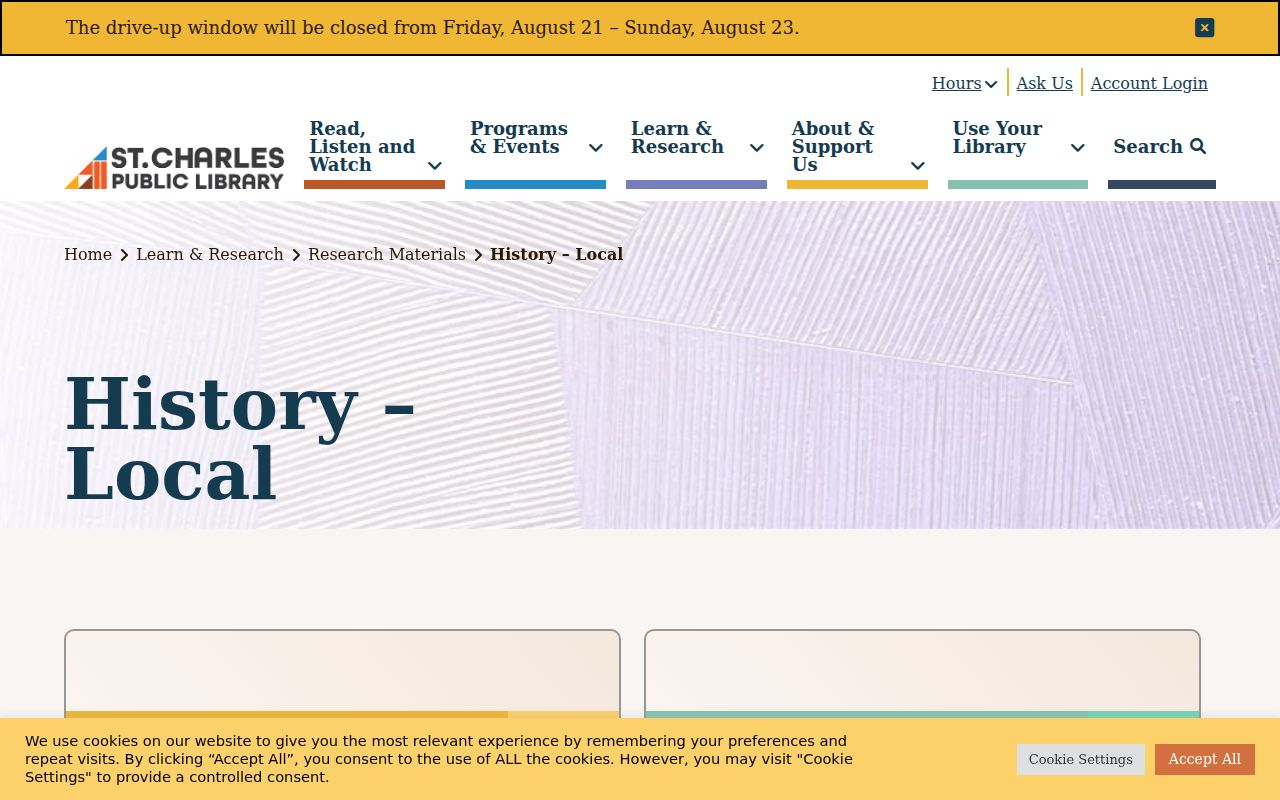
The gateway shows why the library is the main fallback when an address leaves county portals. Vertical files cover buildings, families, biographies, and business. The Carnegie Quiet Room holds St. Charles and Kane County books.
Sanborn maps can show footprint, use, and materials, though exact local sheet years were not confirmed. The History Museum offers research appointments. Neither place advertises a turnkey house-history form, so contact staff with the address, past names, and a date span.
Permits Date St. Charles Changes
The city permit table contains location, application type, description, number, issue date, valuation, and contact description. It may date an addition or alteration. The layer has no geometry and no stated historical start, so pair it with a parcel map.
If the public table lacks an older file, request it from Community Development under Illinois FOIA. Name the address, record type, and date range. The city normally answers within five business days, subject to extension. Do not republish personal contact details that do not serve the house-history question.
Obituaries Close St. Charles Trails
Obituaries and probate can explain the end of an address link. The newspaper archive is reported to cover 1842 through 1998. Probate belongs to the Circuit Clerk; a party search may supply a case number before a terminal or file request.
The Illinois death-record instructions show the copy and genealogy routes.
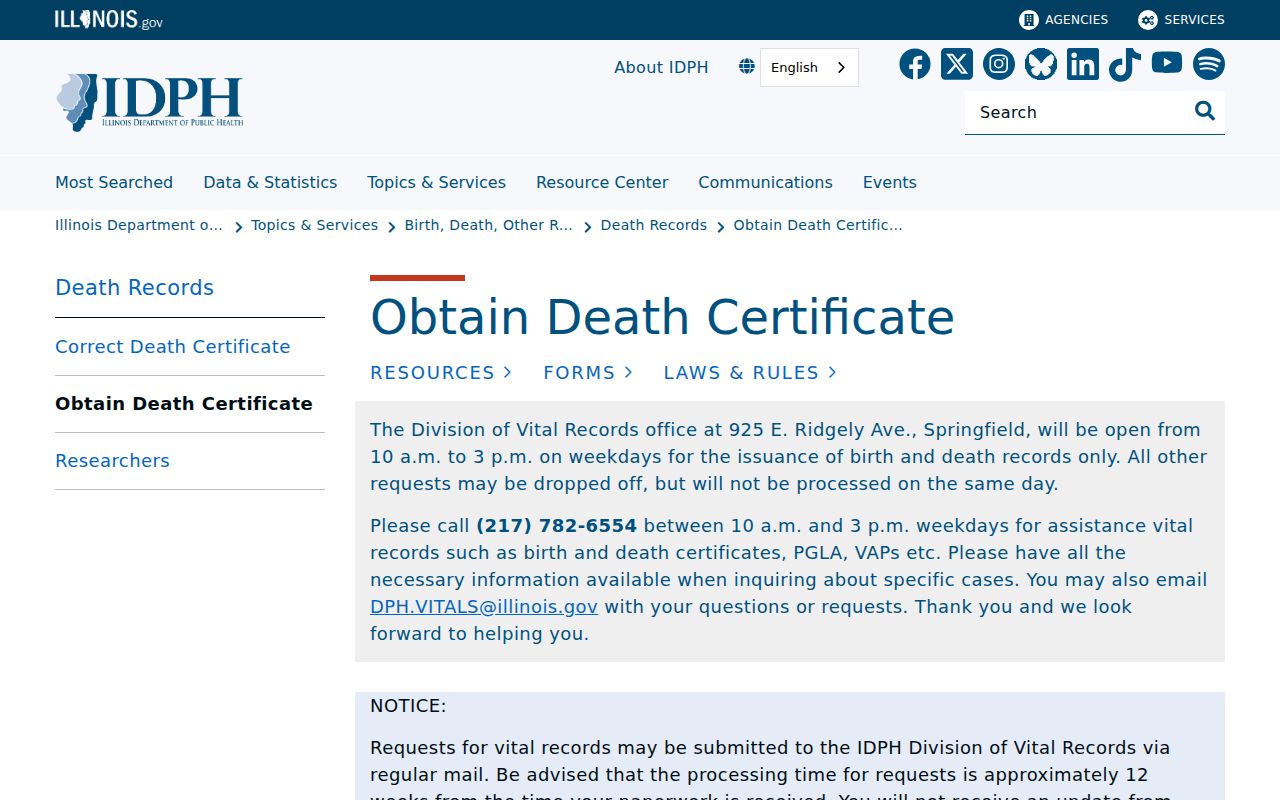
A certificate is a restricted record product, not an open resident list. Use public notices first, then apply only when eligible.
The Kane genealogy query service accepts a structured paid request.
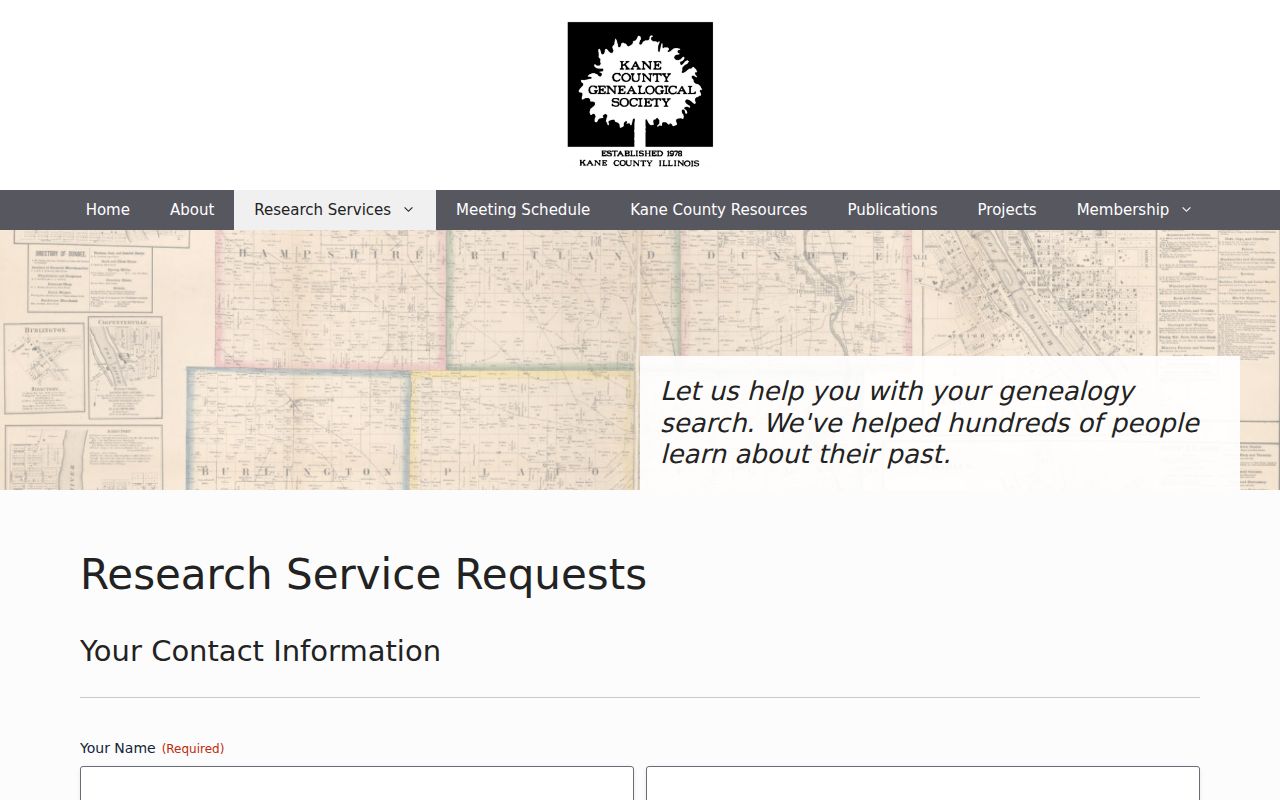
Its person, surname, relationship, and comments fields help distinguish a family problem from a loose same-name hit.
Illinois Genealogy Access Thresholds
The Illinois genealogy provision names thresholds of 100 years for births, 50 years for deaths, and 75 years for marriages.
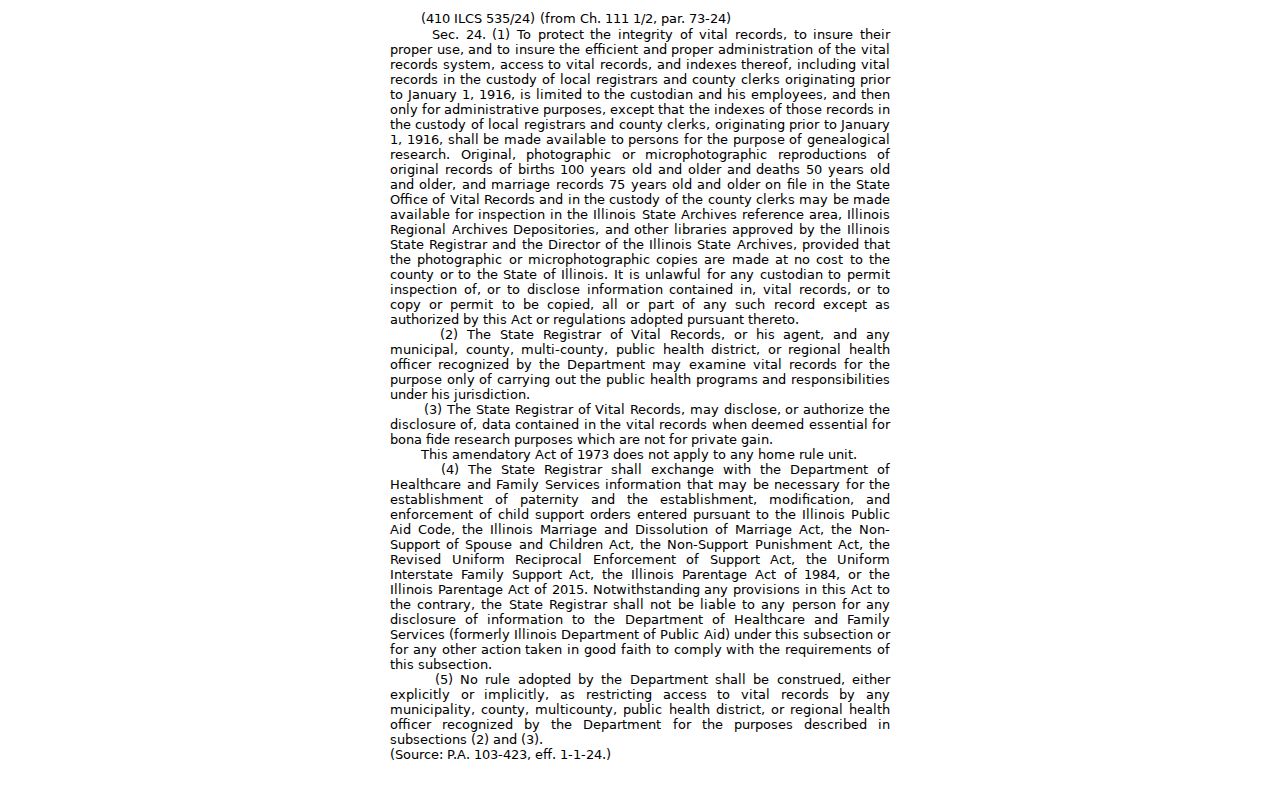
The law sets a baseline, but the right custodian still depends on record type and event county.
IDPH verifies marriage facts, while certified Kane copies come from the County Clerk.
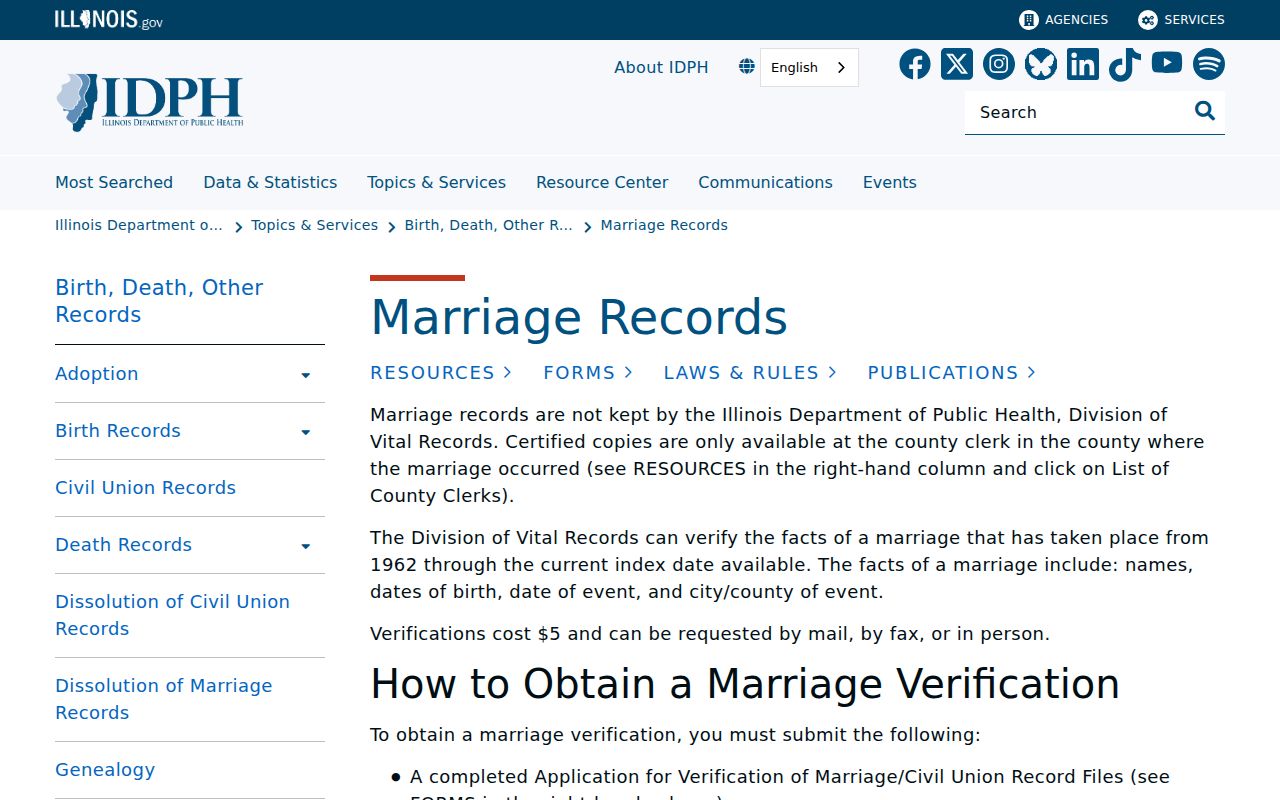
A verification can connect surnames across directory years, but it is not the certified county record.
Use Previous Residents Records Lawfully
A sound history labels owners, occupants, and possible household links separately. It provides dates and sources, and it leaves protected details out. Public records may be late or wrong, especially when an address is just a mailing label.
Lawful use. Research past residents for genealogy, estate work, or building history, never to watch, harass, threaten, or harm a person.
Keep the source for each step. The St. Charles street directory handles a full current street. For a backward trail, stop where evidence stops. A stated gap is better than a guessed occupant.